
LIsa Black
Cape Coral, FL
Female, 49


I spent the five happiest years of my life in a morgue. As a forensic scientist in the Cleveland coroner’s office I analyzed gunshot residue on hands and clothing, hairs, fibers, paint, glass, DNA, blood and many other forms of trace evidence, as well as crime scenes. Now I'm a certified latent print examiner and CSI for a police department in Florida. I also write a series of forensic suspense novels, turning the day job into fiction. My books have been translated into six languages.
If the bottle is sealed well, I don't think so. Hair is pretty tough.
Share Answer: 

Sorry, but I’m not trained in digital forensics. I have absolutely no idea.
Share Answer: 
But what sample were they testing? What piece of evidence were they analyzing in the gas chromatograph?
Share Answer: 
Sorry, but I really don't know. You'd have to ask a pathologist. I imagine it might depend on how long after death the person was in the water.
Share Answer: 
Navy Officer (Former)
 Just how educated is the typical US military serviceman?
Yoga Instructor
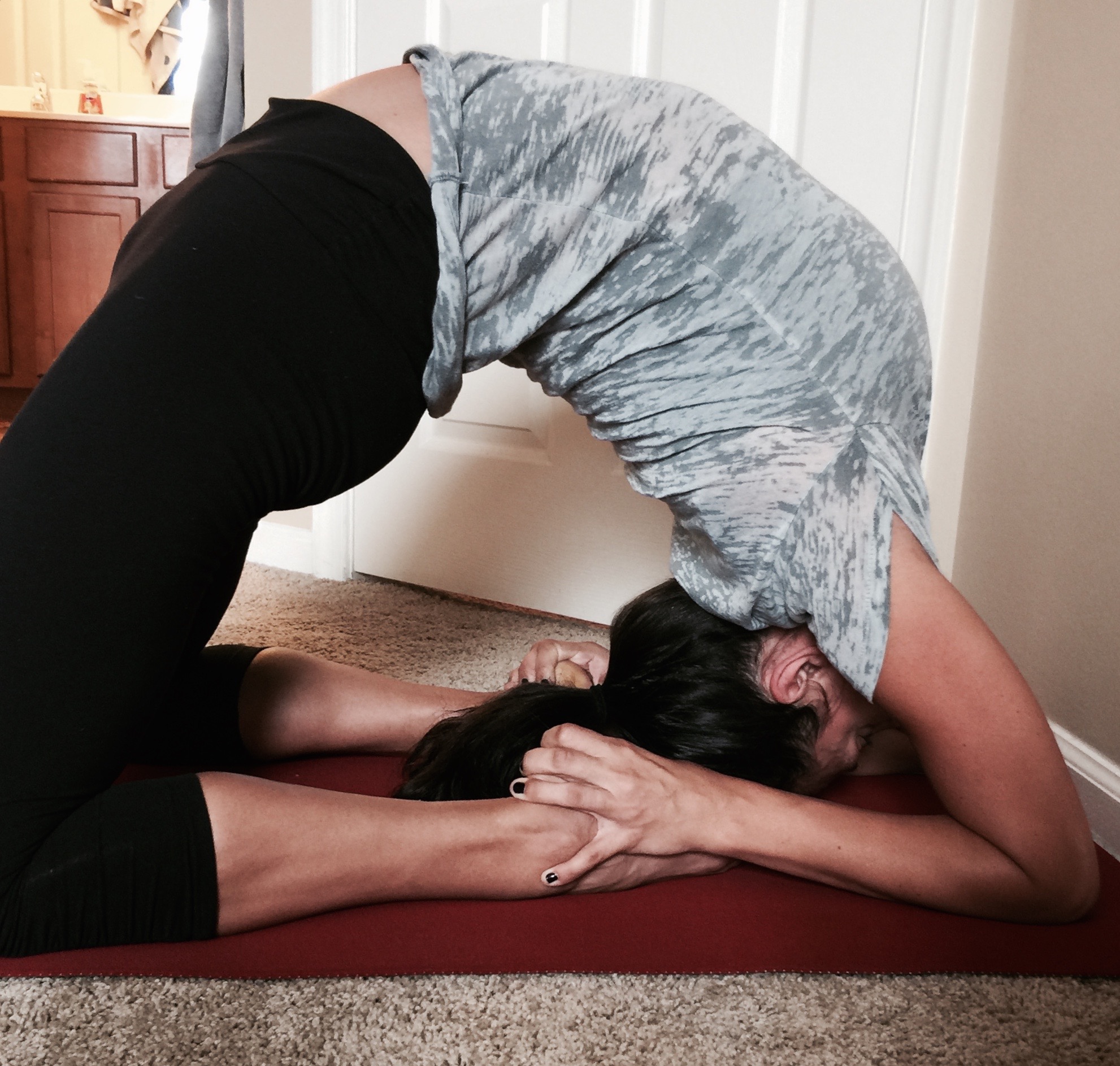 Why don’t more men do yoga?
Casino Dealer
 How do you prove that someone is card-counting?
As far as I know, no. The DNA tests of the shirt will just show a mixture of the victims, so that the analyst would only be able to say the blood could have come from these two or three people--in other words there are no alleles that definitely couldn't have come from those three. But because it is a mixture, they can't say it did come from these three exact people. And they couldn't tell, again as far as I know, which blood was deposited first.
Share Answer: 
I'm sorry but that's a very broad question. What kind of pattern and impression evidence are you talking about?
Share Answer: 
I'm sorry but I have absolutely no idea. You might call the labs at which you'd like to work and ask about the positions you'd like to get, and see what they suggest. They would know a lot more than I would.
Best of luck!
Share Answer: 
-OR-
 Login with Facebook
 (max 20 characters - letters, numbers, and underscores only. Note that your username is private, and you have the option to choose an alias when asking questions or hosting a Q&A.)
(A valid e-mail address is required. Your e-mail will not be shared with anyone.)
(min 5 characters)
By checking this box, you acknowledge that you have read and agree to Jobstr.com’s Terms and Privacy Policy.
-OR-
Register with Facebook(Don't worry: you'll be able to choose an alias when asking questions or hosting a Q&A.)



 Browse Jobs
 Host a Q&A
 Search

 Submit Your Question
 Host a Q&A
 Last 7

