
Kevin Selle
Wichita Falls, TX
Male, 55


I've been a broadcast meteorologist on television since the early 1990's. Happy to answer any questions about the weather or local TV news. Yes, I often wear sneakers on set just out of view of the camera.
Usually the warmer the climate, the more prone the area is to thunderstorms. If you don't mind extreme heat you might try Arizona or New Mexico. If you don't mind it a little cooler you might like Washington or Oregon. Thanks, Heather.
Share Answer: 

If the wind changes direction with height it creates more friction, drag and chaos that impedes the development of the storm. Great question!
Share Answer: 
Great video, very active storm. Thunder travels only about 15 miles on average so these storms were too far away to hear anything. Great stuff!
Share Answer: 
Great question. Lightning creates thunder and the sound will travel, sometimes about 15 miles. So you will hear the rumble as the storm continues away from your location. A single bolt can travel a long way so your are hearing the thunder as it reaches you from each point along the bolt.
Share Answer: 
Firefighter
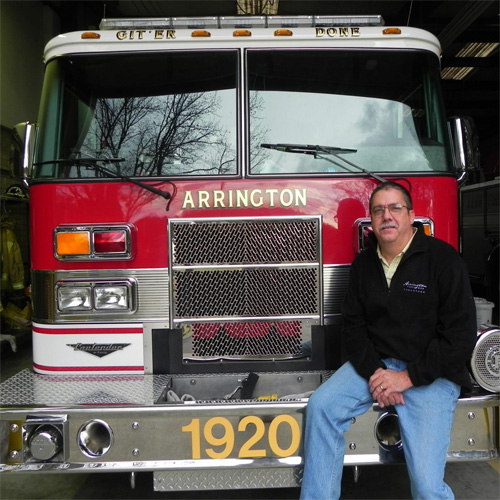 What's the worst you've been burned in a fire?
Bodybuilder
 How prevalent is steroid use in pro bodybuilding?
Fashion Model
 What's the most lucrative type of gig models can book?
"Climate" is much different than "weather". Not really my area.
Share Answer: 
Hi Steven-If I understand the question you might try weather.gov. Click on the map for the region you are interested in. Each NWS office will have a link to local climate on the left nav bar. Weather Underground has good information for cities, or do a Google search for (city) climatology. Thanks!
Share Answer: 
Thunderstorms are made largely of rising air and the upward speed of the wind can reach over 70 mph, lifting the hailstones.
Share Answer: 
-OR-
 Login with Facebook
 (max 20 characters - letters, numbers, and underscores only. Note that your username is private, and you have the option to choose an alias when asking questions or hosting a Q&A.)
(A valid e-mail address is required. Your e-mail will not be shared with anyone.)
(min 5 characters)
By checking this box, you acknowledge that you have read and agree to Jobstr.com’s Terms and Privacy Policy.
-OR-
Register with Facebook(Don't worry: you'll be able to choose an alias when asking questions or hosting a Q&A.)



 Browse Jobs
 Host a Q&A
 Search

 Submit Your Question
 Host a Q&A
 Last 7

